Wardogs in 2026 Is a Completely Different Game Thanks to Season 2 Rain
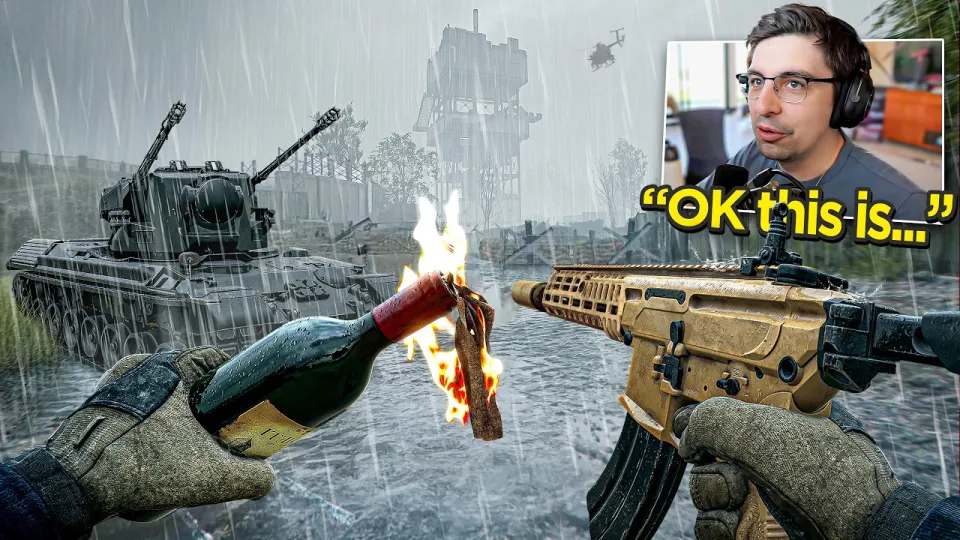
Video: Wardogs Is a Completely Different Game Now...
You can order the same kind of articles for your own video to boost it on YouTube and Google. Just message the Telegram bot @sat_sit_bot. Articles with your video embedded are written and posted by the bot itself — on popular topical sites (no ads). Free trial — 50 articles.
· based on the channel shroud
Key takeaways
- Wardogs Season 2 introduced heavy rain as a dynamic weather condition that changes visibility across the map.
- Rain heavily punishes long-range sniping: targets become hard to see even around 190 meters.
- Infrared goggles gain value in the rain because thermal detection cuts through the reduced visibility.
- HP ammunition is the counter to armored targets: aiming at legs bypasses torso and helmet protection.
- Group coordination matters because large squads of solo players rarely share the same voice comms as a tight squad.
Wardogs in 2026 plays like a different game than the one players learned in its first season, and the reason is weather. Heavy rain, added in Season 2, cuts visibility on open ground, muffles long sightlines and forces fights into buildings and close quarters. The shift is big enough that veteran players describe the map as unrecognizable in places, and it rewards a different loadout and a different set of habits than the clear-weather meta did. You can follow along with the full session through the Wardogs stream highlights on Spotify, where the channel's audio content and episode feed live.
How the Wardogs Season 2 rain changes combat
The rain is not a cosmetic overlay; it is a visibility tax that hits every ranged engagement. In clear weather a player with a scoped rifle can hold a bridge, a rooftop or a treeline and control movement from 200 meters out. Under the storm, silhouettes blur into the grey, muzzle flashes are harder to read, and a target at roughly 190 meters can already be nearly impossible to pick out. That single change ripples through everything else:
- Snipers lose their safest angles and have to reposition constantly or push in with the squad.
- Assault rifles and SMGs become the default because most kills happen inside 100 meters.
- Sound becomes a bigger information source than sight, so footsteps and gunfire direction matter more.
- Rotations get slower and riskier, since crossing open ground unseen is easier but navigating it is harder.
- Buildings turn into contested strongpoints, because interiors stay readable while the outside world does not.
Players who built their whole game around holding long lines now have to relearn where they can safely stand. The rain does not remove sniping, but it demotes it from a primary plan to a situational tool.
Why infrared goggles and HP ammo matter more in the storm
Two pieces of gear quietly gained value the moment the weather turned. Infrared goggles cut through the reduced visibility by reading heat rather than light, which makes them close to mandatory for anyone trying to spot movement across open ground during a downpour. If you own a pair, the rain is the best argument for carrying them instead of a spare optic.
The second is ammunition choice. Armored targets absorb torso and helmet hits, so the reliable answer is HP rounds aimed at the legs, where protection is thinnest. This is where a lot of squads lose fights: a player with the right ammo fires center mass out of habit, sees the target survive, and concludes the weapon is weak. A submachine gun loaded with HP rounds and aimed low will drop a armored opponent faster than a rifle aimed at the chest. The lesson is mechanical, not theoretical: check what is loaded before you blame the gun.
Typical questions from the Wardogs community
Three concerns come up again and again after the weather update. The first is whether the rain gutted sniping entirely; the honest answer is that it narrowed the windows rather than closing them, and players who adapt their positioning still get long kills, just fewer free ones. The second is whether the storm favors squads over solos. It does, but not for the reason people assume: large groups of independent players are not actually coordinating, while a small squad on the same voice channel calling out positions and sharing ammo types fights far above its headcount. The third is base building. Rain makes static positions more attractive, and elaborate fortified bases become both a shelter and a target, since everyone nearby knows where the noise is coming from. If you want to test these ideas without committing to a full raid, queue with a fixed group first and treat the weather as a variable you control by choosing when to move.
Practical adjustments for rainy raids
Adapting to Wardogs Season 2 is mostly about shortening your engagement distances and tightening your logistics. Work through these in order:
- Repack magazines before you move, not mid-fall or mid-push; inventory management during a fight is how players die to an enemy they already spotted.
- Clear a building before you loot it, especially one you were just shot from.
- Carry HP ammo as a primary or backup for armored opponents, and aim at legs rather than the chest.
- Keep infrared goggles in the kit and swap to them when crossing open ground.
- Use the storm to rotate: the same rain that hides your target also hides you.
- Stay within voice range of your squad, because callouts replace line of sight.
The most common death in the rain is not a sniper; it is a player who heard a threat, entered the structure anyway, and started sorting ammo instead of clearing the corner.
Where to find the channel's Wardogs content and gear links
Everything referenced in the session is collected in one place. The audio feed is the main hub, and the rest are the creator's partner and social links:
The bottom line on Wardogs after the weather update
Wardogs Season 2 turned rain into a real mechanic rather than a mood effect, and that single addition reset the value of sniping, optics and ammunition choice. Squads that communicate and carry the right rounds will thrive in the storm; players who keep holding the same long angles from the clear-weather days will keep dying to enemies they never saw. The shift is why so many veterans describe the game as completely different now, and why the adjustment period is worth pushing through. For more sessions like this one, follow the shroud channel, whose breakdown of the rainy meta is the source for this article, and subscribe to the Spotify show for new episodes.
Source: Wardogs Is a Completely Different Game Now... · Markdown version
Questions & answers
Does the rain in Wardogs Season 2 make sniping useless?
No, but it narrows the windows dramatically. Targets become very hard to see even around 190 meters, so long-range holds that worked in clear weather are no longer reliable. Snipers have to reposition more often or support close pushes instead of anchoring open ground.
Why do players say a gun is bad when it is actually the ammo?
Armored targets absorb torso and helmet hits, so center-mass fire with the wrong loadout looks like the weapon is doing nothing. Switching to HP rounds and aiming at the legs bypasses most protection. A submachine gun with the right ammo will drop an armored opponent faster than a rifle aimed at the chest.
Is infrared gear worth carrying in the rain?
Yes. Infrared goggles read heat instead of light, which cuts through the reduced visibility of a downpour. In practice they become one of the strongest items during storms, since spotting movement across open ground is the main problem the weather creates.
Do small squads or large groups do better in bad weather?
Small coordinated squads usually do better. A large count of independent players is not the same as a team, while a handful of players on one voice channel sharing callouts, ammo types and positions fights well above its headcount. The rain rewards communication more than raw numbers.